
History of the Area
A little context for the region: the people, the food, the centuries of stories. Italy rewards curious travelers.
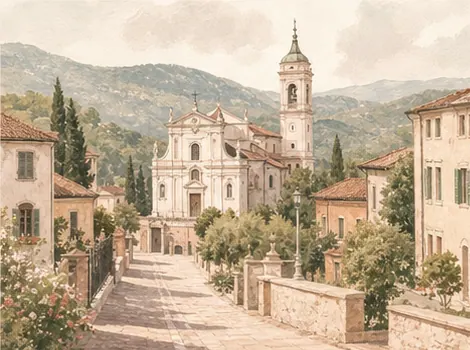
Malo and Santa Libera Sanctuary
Malo sits at the northern edge of the Vicenza plain, where the landscape begins to rise toward the foothills. The town has long been shaped by agriculture, small workshops, parish life, and the roads connecting the villages between Vicenza, Schio, and Thiene.
The Sanctuary of Santa Maria Liberatrice, known locally as Santa Libera, belongs to this older rhythm of the town. Set above the center, it has been a place of devotion for generations and gives the wedding ceremony a direct link to the local landscape and community memory.
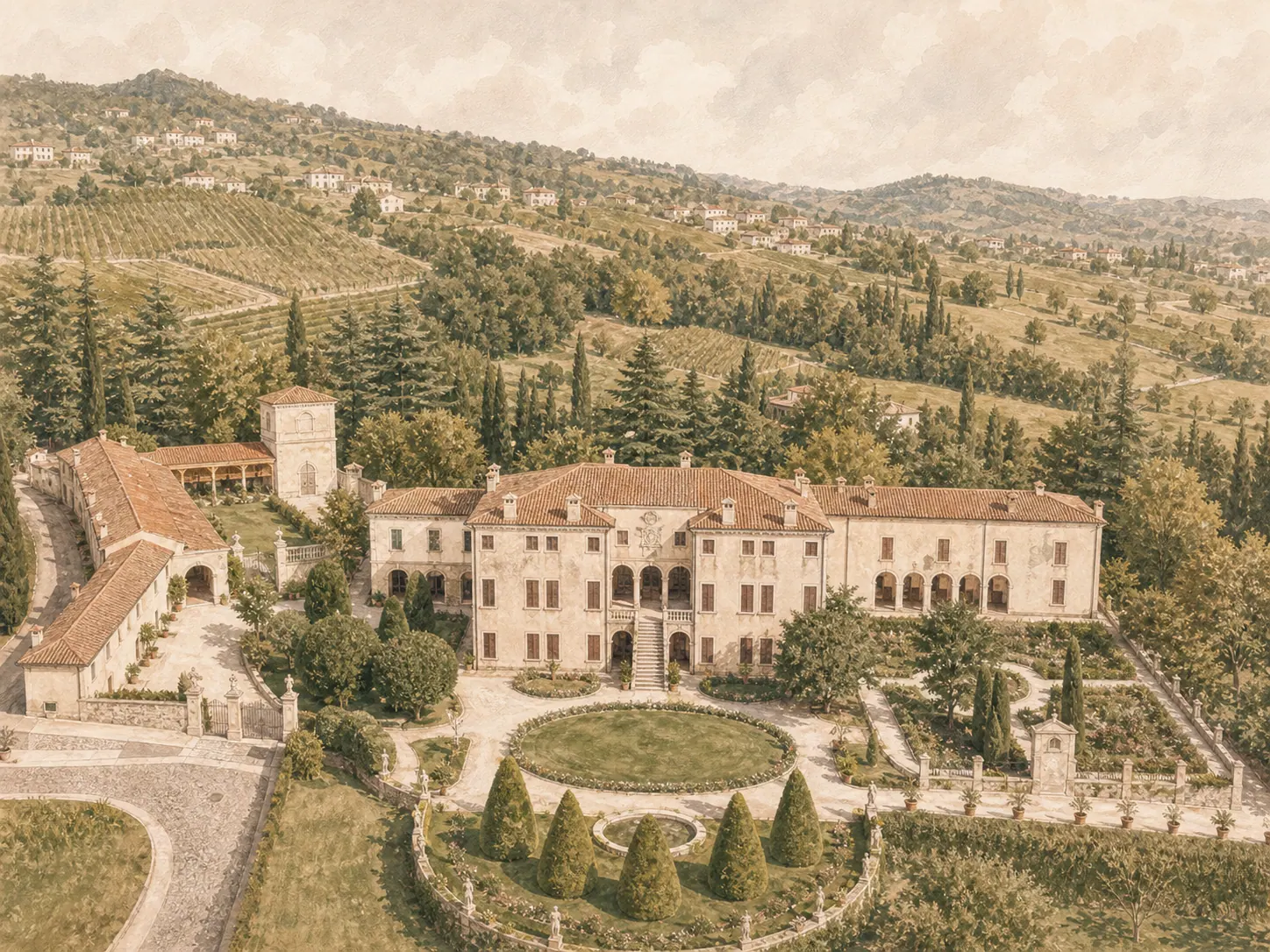
Villa Godi Malinverni
Villa Godi Malinverni is one of Andrea Palladio’s earliest villas, begun in the 1540s in Lugo di Vicenza. It marks an important moment in the evolution of the Veneto villa, where rural estates became places of work, representation, and architectural ambition.
The villa is part of the UNESCO World Heritage network connected to Palladio’s work. Its setting, frescoed interiors, gardens, and views toward the hills make the reception venue not just beautiful, but part of a larger Renaissance story.
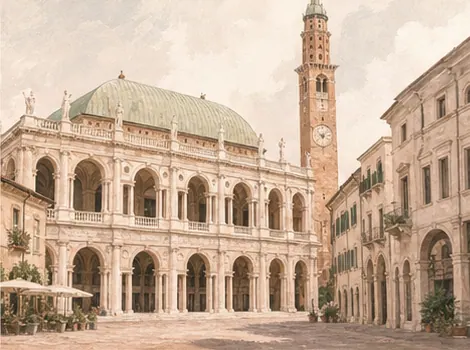
Vicenza
Vicenza is inseparable from Palladio. The city’s palaces, basilica, villas, and theater helped define a language of architecture that traveled far beyond Veneto and influenced buildings across Europe and the Americas.
Beyond the monuments, Vicenza is also a lived-in city of arcades, markets, cafes, and quiet streets. It is close enough for an easy visit from Malo, but layered enough to reward a slower walk through its historic center.
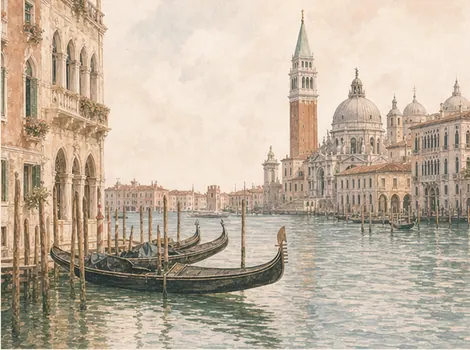
Venice
For centuries, the Republic of Venice shaped the politics, trade, and culture of the Veneto. Its influence reached inland through roads, villas, canals, artists, and merchants, leaving traces in towns and countryside far from the lagoon.
Venice remains the region’s great symbolic city: maritime, theatrical, fragile, and unforgettable. Even a short visit helps explain why the Veneto feels like a crossroads between mountains, plains, sea, and centuries of exchange.